
Grease Buildup, Leaking Sinks, And Other Hidden Kitchen Plumbing Troubles
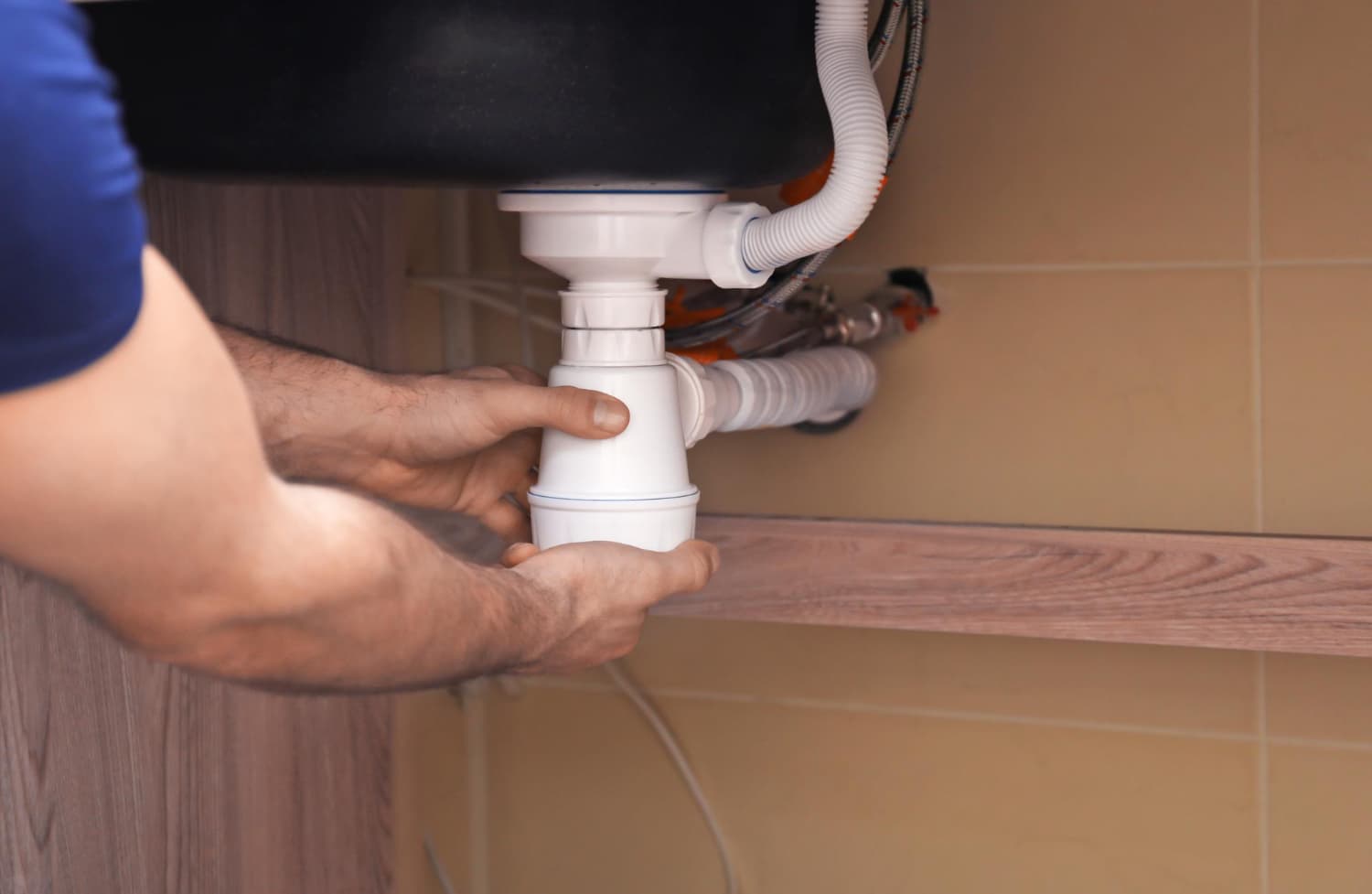
Cooking is only one aspect of what a kitchen does. The plumbing system is put under extra strain with each meal made, dish cleaned, and appliance used. The pipes and connections below worktops, cupboards, and appliances are often overlooked by homeowners, despite the fact that most of them pay attention to these surfaces. Unfortunately, drainage, water pressure, and even the state of nearby materials may all be negatively impacted by quiet kitchen plumbing issues. Maintaining a functioning cooking environment and avoiding needless repairs may be achieved by identifying the root causes of these problems. The Impact Of Grease Buildup On Kitchen Drainage One of the most frequent causes of kitchen drainage issues is cooking fat. Hot oil or melted fat may seem to easily pour out of a sink. However, the oil may stick to the inside surfaces of drainpipes when it cools. Over time, these deposits combine with food particles, soap residue, and other detritus, gradually reducing the amount of space accessible for wastewater. Slow drainage is often the first obvious sign, followed by offensive smells or water buildup in the sink. Pouring boiling water or chemical cleansers down the drain on a regular basis could not remove grease deposits that have already formed and might lead to further plumbing issues. Expert cleaning techniques may assist in maintaining the pipes’ condition while removing accumulated debris. Grease-related obstructions may be considerably decreased by adopting preventive practices, such as gathering spent cooking oil separately and scraping food waste into the garbage. Kitchen Sink Leaks And Hidden Cabinet Damage A visible puddle is not usually the result of a kitchen sink leak. Deteriorated seals, broken drain assemblies, loose supply connections, and incorrectly installed plumbing components may all allow water to escape. Moisture may build up before homeowners notice the issue since most sink piping is hidden within cabinetry. Wooden surfaces may get discolored, cabinet panels may start to bloat, and stored goods may start to smell musty. Expert Kitchen Plumbing Repair Houston services can assist in determining if moisture comes from the trash disposal, sink drain, faucet connections, or other plumbing fixtures. Finding the precise source is important because if the underlying issue is a damaged pipe or loose connection further within the cabinet, replacing visible seals won’t do anything. Issues With Trash Disposal That Impact The Whole Sink Certain food scraps can be processed by garbage disposals, but not all kitchen trash can be handled by them. Hard materials, fibrous vegetables, and large amounts of food might cause drainage problems or interfere with the grinding process. A blocked mechanism might be the cause of a disposal that hums when it isn’t working, and a recurrent leak could be a sign of failing housing or broken seals. While the electrical power is still connected, homeowners should refrain from trying repairs or going inside the disposal. It is crucial to turn off the power before beginning basic troubleshooting, and complex mechanical issues should be handled by professionals. Unexpected Water Leaks And Dishwasher Connections Water supply lines and drainage connections must be built correctly for dishwashers to function. Water might leak under cabinets or floors due to a loose hose, a broken gasket, or a blocked drain. These leaks might be hard to find since they could only happen during certain wash cycles. Unusual drainage noises, damp flooring next to the appliance, or mysterious wetness under nearby cupboards might all be signs of a growing problem. Before a hose totally breaks, wear might be found by routinely inspecting accessible connections. A professional assessment can differentiate between internal dishwasher faults and plumbing issues when water often occurs around the device. Developing Better Habits To Avoid Kitchen Plumbing Issues Knowing what should and shouldn’t enter the drainage system is the first step in maintaining kitchen plumbing. Whenever possible, keep grease, coffee grounds, and extra food scraps out of sinks. Additionally, homeowners should look for inexplicable cabinet dampness, track variations in drainage speed, and routinely examine exposed plumbing connections. Before major damage occurs, small variations in everyday plumbing operation often provide important alerts. When persistent symptoms arise, scheduling Kitchen Plumbing Repair Houston assistance may help replace decaying components before they impact nearby materials and fixtures. Conclusion Plumbing issues in the kitchen are often caused by routine activities rather than unexpected equipment malfunctions. The efficiency of an otherwise efficient kitchen may be progressively compromised by grease buildup, leaky connections, broken disposals, and dishwasher drainage problems. Preventable plumbing issues may be reduced by being aware of subtle warning indicators and upholding appropriate disposal practices. A precise expert diagnosis offers a workable route to long-lasting fixes and reliable kitchen performance when issues persist despite routine maintenance. AlexA passionate content writer and researcher dedicated to creating accurate, easy-to-understand, and reader-friendly informational content. Focused on delivering reliable insights that help readers make informed decisions. www.pmkisanstatus.news